Newborn Jaundice: What Parents Need to Know
What Is Jaundice and Why Is It So Common?
Newborn jaundice — a yellowish discoloration of the skin and the whites of the eyes — is one of the most common conditions in the first week of life. It affects approximately 60% of full-term newborns and around 80% of babies born prematurely. If your baby has it, you are very much in the majority.
Jaundice is caused by a buildup of bilirubin in the blood. Bilirubin is a yellow pigment produced when red blood cells break down. Newborns have a higher-than-usual number of red blood cells at birth — cells that are no longer needed once they are breathing outside the womb — and their livers are still maturing and not yet efficient at processing bilirubin. The result is a temporary accumulation that shows in the skin.
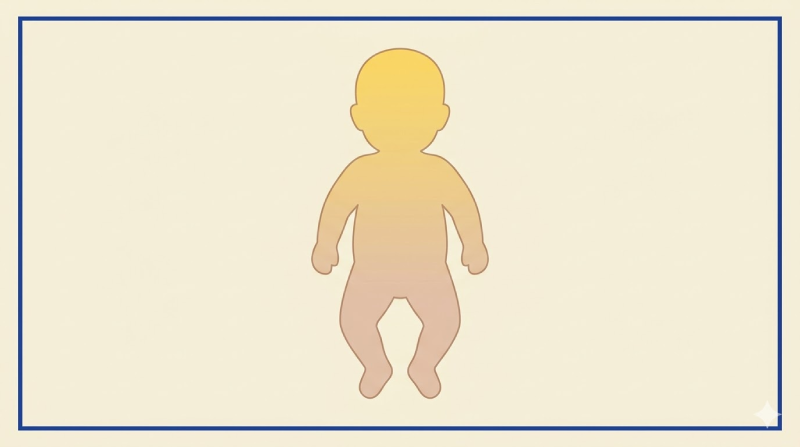
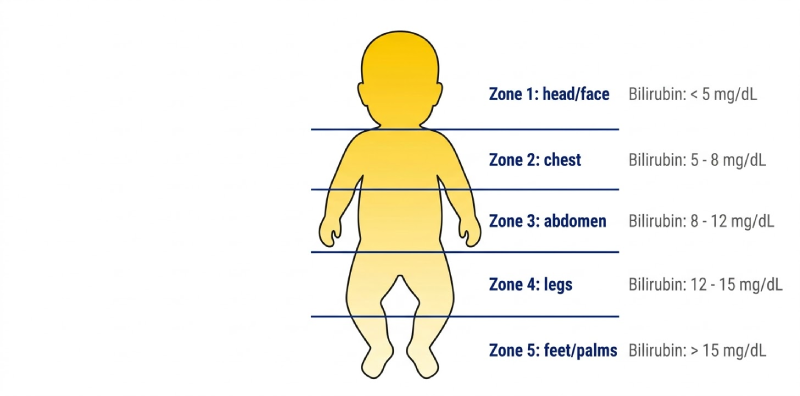
The most common form is called physiological jaundice. It typically appears on day 2 or 3 of life, peaks between days 4 and 5, and resolves on its own by 2 weeks in full-term babies and by 3 weeks in preterm babies. Jaundice starts at the head and face and progresses downward toward the chest, abdomen, and legs as bilirubin levels rise — a useful pattern to know when you are monitoring your baby at home.
For context on what to expect more broadly in the first days home, see our complete guide to the first week with a newborn.
Physiological vs Pathological Jaundice
Not all newborn jaundice is the same. Understanding the difference between physiological and pathological jaundice helps you know what is normal and what requires prompt medical attention.
Physiological vs pathological jaundice
Physiological (common, benign): Appears after 24 hours of age · Peaks day 4–5 · No other symptoms · Resolves spontaneously within 2–3 weeks · Caused by normal red blood cell turnover and liver immaturity
Pathological (requires investigation): Appears within the first 24 hours of life · Rising rapidly (more than 0.5 mg/dL per hour) · May be associated with blood group incompatibility (Rh or ABO), infection, metabolic conditions, or structural liver problems · Requires urgent bilirubin testing and often treatment
Breastmilk jaundice (distinct category):Appears after day 5 · Can persist mildly for up to 12 weeks · Benign · No need to stop breastfeeding · Caused by substances in breastmilk that slow bilirubin excretion; mechanism is not fully understood
Breastmilk jaundice is different from breastfeeding jaundice (which occurs in the first week due to inadequate intake). If your baby still looks mildly yellow at 6 weeks but is otherwise thriving and feeding well, breastmilk jaundice is the most likely explanation. It does not require treatment and should not lead you to stop breastfeeding. Discuss it with your pediatrician for reassurance and to rule out other causes.
How Jaundice Is Measured and Treated
Before hospital discharge, most newborns are assessed for jaundice using a transcutaneous bilirubinometer — a light sensor held gently against the skin that estimates bilirubin without a blood test. If levels are elevated or the device reading is uncertain, a blood test (serum bilirubin) will confirm the level.
Whether treatment is needed depends not just on the absolute bilirubin number, but on your baby's age in hours. Thresholds are plotted on an age-specific nomogram because the same bilirubin level is more concerning at 24 hours old than at 72 hours old. Your medical team will use this chart to determine the appropriate response.
Phototherapy
When bilirubin levels reach the treatment threshold, phototherapy is the standard first-line treatment. Blue-spectrum light penetrates the skin and breaks down bilirubin into a water-soluble form that can be excreted in urine and stool — bypassing the liver's processing step entirely.
Phototherapy typically takes 24–48 hours under the lights to bring levels down. It can happen in hospital using an overhead bili-light, or at home using a phototherapy blanket (biliblanket) for less severe cases. During phototherapy, your baby's eyes will be covered to protect them from the light. Breastfeeding or formula feeding continues normally — frequent feeding during this period is actively encouraged because it helps excrete bilirubin through stool.
The AAP recommends a follow-up bilirubin check at 3–5 days of age for all newborns, regardless of whether jaundice was visible before discharge.
The Role of Feeding in Preventing and Treating Jaundice
Feeding and bilirubin levels are directly connected. Bilirubin is excreted through stool — so the more your baby is feeding and stooling, the faster bilirubin clears. Inadequate feeding means fewer stools, which means more bilirubin is reabsorbed from the gut back into the bloodstream (a process called enterohepatic recirculation).
Breastfed babies are at slightly higher risk of jaundice in the first week, primarily because breastmilk takes a few days to come in fully and early intake can be lower than with formula. This is not a reason to switch to formula. The solution is to feed more frequently — 8–12 times per 24 hours — and to seek lactation support if feeding is painful, latch is poor, or wet diaper output is low.
Formula supplementation is sometimes recommended for severe jaundice where frequent breastfeeding alone is not lowering levels fast enough. This decision should be made with your pediatrician and ideally with a lactation consultant — it is not a step that means breastfeeding has failed. For more on combination feeding approaches, see breastfeeding vs. formula.
Tracking diaper output is one of the most useful things you can do during the jaundice window. Yellow, seedy stools after day 4–5 are a good sign that bilirubin is clearing. See our baby diaper guide for a full breakdown of what different diaper colors and patterns mean.
Warning Signs That Require Immediate Medical Attention
Most newborn jaundice is benign and self-resolving. However, very high or rapidly rising bilirubin can cause brain damage — a condition called kernicterus or acute bilirubin encephalopathy. Kernicterus is rare and almost entirely preventable with timely treatment. Knowing the warning signs means you can act quickly.
Contact your pediatrician immediately — or go to an emergency department — if your baby has any of the following:
Jaundice visible within the first 24 hours of life — this is always pathological and requires urgent evaluation
Yellowing spreading below the navel — jaundice extending to the abdomen and legs indicates higher bilirubin levels
Yellow sclera (whites of the eyes) — a reliable visual sign of elevated bilirubin
Baby is difficult to wake for feeds, or unusually lethargic — extreme sleepiness in a jaundiced newborn is a red flag
High-pitched or unusual cry — may indicate neurological involvement
Arching of the back or neck — a serious sign associated with bilirubin encephalopathy
If you are ever unsure whether your baby's jaundice is normal or worsening, call your pediatrician. A quick bilirubin check is straightforward and will either reassure you or allow treatment to begin promptly.
When Does Jaundice Resolve?
For most full-term babies with physiological jaundice, the yellow tint will clear completely by 2 weeks of age without any intervention beyond frequent feeding. Preterm babies typically clear by 3 weeks.
Breastmilk jaundice is different — it may persist mildly until 10–12 weeks of age. As long as your baby is gaining weight well, feeding effectively, and the bilirubin level has been confirmed to be in a safe range, no treatment is needed and breastfeeding should continue. Your pediatrician will guide you on whether follow-up bilirubin testing is appropriate.
The AAP recommends that all newborns have a follow-up bilirubin check at 3–5 days of age. If your baby was discharged before 72 hours, this follow-up is particularly important as bilirubin levels may still be rising at the time of discharge.
Persistent jaundice beyond 3 weeks in a term baby — or any jaundice accompanied by pale or white stools and dark urine — should be assessed promptly, as it may indicate a different underlying cause that requires treatment.
Track Jaundice Progress in BabyJot
Tracking skin color changes over the jaundice window is easier when you have a daily log. Use the memo field in BabyJot to note observations like "yellow spreading to chest" or "looking less yellow today" alongside your feeding and diaper data — so you have a clear record to share with your pediatrician.
Latest Articles

First Week With a Newborn: What No One Tells You

Newborn Sleep Patterns: What to Expect Week by Week
Tracking Baby Milestones: What to Log and Why It Matters

Breastfeeding vs. Formula: A Practical Guide for New Parents

Understanding Baby Growth Charts: Percentiles Explained
Baby Sleep Regression: Ages, Signs, and What Actually Helps

Safe Sleep for Babies: AAP Guidelines Every Parent Should Know
Baby Nap Schedule by Age: How Many Naps and How Long
Pumping Breast Milk: Schedule, Storage Guidelines, and Tips

Starting Solid Foods: Signs of Readiness and First Foods to Try

How to Prepare for a Pediatrician Visit: What Data to Bring

How Much Should a Newborn Eat? Feeding Amounts by Age
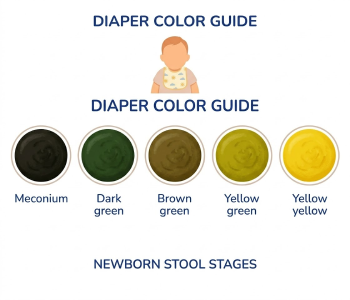
Baby Diaper Guide: What's Normal and When to Worry
